


.webp)







































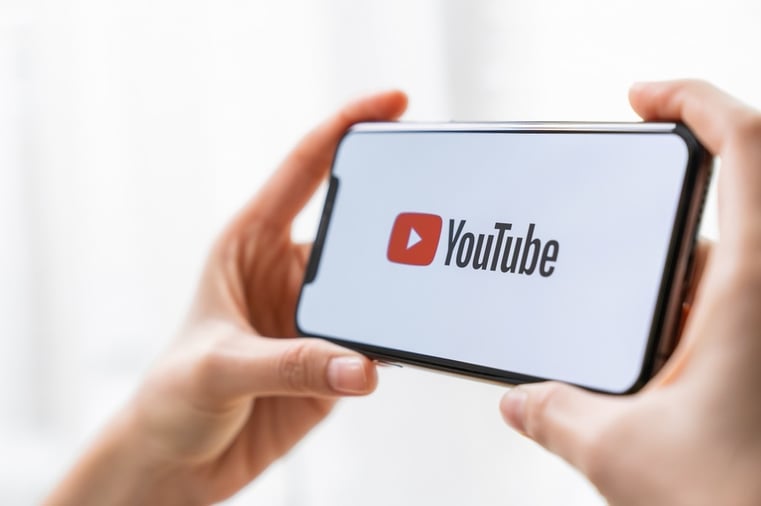
For a long time, YouTube sat comfortably at the top of the marketing funnel. It was the undisputed king of brand awareness. It was great for racking up views, fantastic for visual storytelling, and perfect for simply getting your name out there.But it wasn't exactly the place you went when you needed hard, fast conversions.
That reality changed. The shift happened quietly at first, then gradually, and finally, all at once. Today, the world's largest video platform is a revenue-driving engine, fundamentally altering how marketers approach digital advertising.
Thinking YouTube is only for awareness is the marketing equivalent of walking around with broccoli in your teeth. Everybody sees it, but you.
Key Takeaways
- YouTube has evolved from a top-of-funnel awareness tool into a full-funnel performance channel.
- High user intent means viewers are actively searching for product reviews, tutorials, and comparisons before buying.
- Success on the platform now requires direct response strategies, strong hooks, and measuring conversions over simple view counts.

The Old Role of YouTube
Historically, YouTube was treated as a brand storytelling hub. Marketers uploaded long-form content and treated the platform like a digital extension of traditional television.
Advertisers ran skippable ads that most people eagerly skipped the second the countdown finished. It was undeniably valuable for building brand affinity, but it was often incredibly hard to tie those efforts directly to revenue. You threw budget at a campaign and crossed your fingers.
You measured success in views and hoped the rest worked itself out.
What Changed to Shift the Paradigm
A few major shifts completely reshaped how YouTube functions within the advertising ecosystem.
- First, Google dramatically improved audience data and targeting capabilities, allowing advertisers to reach highly specific buyer personas.
- Second, YouTube seamlessly integrated with broader Google ad ecosystems, making cross-channel tracking much easier. Add in stronger attribution modeling and the explosive rise of shorter, more direct formats like YouTube Shorts, and the landscape completely transformed.
The platform evolved. Your strategy didn’t get the memo.
Intent Is Higher Than You Think
Many marketers still assume video platforms are strictly for passive scrolling. But YouTube operates differently. It is the second-largest search engine in the world, meaning users arrive with active intent.
People show up searching for tutorials, in-depth reviews, product comparisons, and “best of” roundups. They are actively asking questions. When someone searches for a software comparison or a hardware review, they are displaying high buying intent.
They’re not just watching, they’re deciding.
Video Builds Confidence Faster
Seeing a product or service in action physically shortens the decision-making process. Buyers want proof, and video delivers it instantly.
Demonstrations, client testimonials, and product walkthroughs do the heavy lifting for your sales team. Video answers questions and builds trust before those questions can even turn into objections.
You can say it in text. Or you can show it once and move on.
The Rise of YouTube as a Performance Channel
Because of advanced targeting and tracking, YouTube now supports robust direct response campaigns. Marketers are running click-driven video ads specifically designed to generate leads and sales.
Thanks to major improvements in conversion tracking, you can finally see exactly which video prompted a user to click and buy. YouTube now plays a role much closer to the bottom of the funnel than it ever used to.
Views are nice. Conversions are better.
How It Fits Into the Funnel Now
YouTube isn’t just top-of-funnel anymore. It effectively shows up across the entire buyer journey.
Awareness
You can still use it for broad storytelling and engaging brand videos to capture initial attention.
Consideration
This is where product reviews, educational content, and side-by-side comparisons shine, helping buyers evaluate their options.
Conversion
You can leverage retargeting and product-focused ads with strong calls to action to close the deal.
Same platform. Very different job description.
What Most Brands Get Wrong
Despite the platform's evolution, many brands are still treating YouTube like traditional TV. They run generic commercials and expect digital performance.
They overproduce their content without an underlying conversion strategy, completely ignoring direct response opportunities. Worst of all, they measure the wrong things, celebrating vanity metrics while ignoring actual ROI.
You made a beautiful video. Now what?
If it only “builds awareness,” you’re leaving a lot on the table.
High production value doesn’t guarantee high performance.
What Actually Works on YouTube Now
To win on modern YouTube, your strategy needs a major update. You must establish clear messaging early—ideally before the skip button appears.
You need incredibly strong hooks that grab attention immediately. Content must be built for user intent, not just raw impressions. Finally, your creative needs to strike a perfect balance between building brand affinity and driving a specific action.
You’ve got about five seconds to earn the next five.
Where YouTube Fits in Your Media Mix
You do not have to abandon your current channels to make room for video. YouTube perfectly supports both brand and performance goals simultaneously.
It works alongside search, social media, and display advertising to create a cohesive digital strategy. By adding visual proof to your campaigns, YouTube strengthens all your other channels.
It’s not replacing your other channels. It’s making them work harder.
What This Means for Your Strategy
It is time to rethink how you define “performance” within your marketing department. Stop siloing video production as a brand-only exercise.
Instead, align your creative output with tangible business outcomes. Focus on what happens after the view, rather than just the reach itself.
You don’t need more impressions—you need them to do something.
Turning Attention Into Action
YouTube didn’t stop being a powerful awareness channel. It just added an entirely new layer of functionality.
It has become a platform where attention turns into action, and that action turns into measurable, bottom-line results.
You can keep using YouTube for views. Or you can start expecting more from it.
Let’s Build a YouTube Strategy That Actually Performs
Ready to turn those views into something far more measurable? Stop settling for vanity metrics. We’ll help you make your video campaigns work harder, smarter, and closer to the bottom line. Get in touch today to transform your video marketing strategy.

Frequently Asked Questions
Q: Is YouTube really effective for B2B performance marketing?
A: Absolutely. B2B buyers use YouTube to research software demos, watch webinar replays, and compare vendors. By targeting specific industry keywords and using direct response ads, B2B brands can generate high-quality leads directly from the platform.
Q: How do I measure performance on YouTube if it's not just about views?
A: Shift your focus to metrics that impact your bottom line. Track click-through rates (CTR), conversion rates, cost per acquisition (CPA), and view-through conversions using Google Ads and your website's analytics platform.
Q: Do I need a massive production budget to drive conversions?
A: No. High production value is great, but clear messaging and relevance matter more. Simple, authentic videos that clearly explain a product's value proposition often outperform expensive, highly polished commercials when it comes to direct response.