


.webp)


































So, you’ve got a killer product and a team ready to conquer the world. But then you hit a wall: What color should the logo be? Blue? Red? Or maybe that weird chartreuse shade your cousin swore was "totally in right now"?
Here’s the thing: color isn’t just decoration. It’s communication. Before a customer reads a single word of your copy, their brain has already made a split-second judgment based on your color palette. It’s like showing up to a black-tie gala in a Hawaiian shirt; you’re definitely making a statement, but is it the one you want to make?
Key Takeaways
- Color is a silent salesman—up to 90% of snap product judgments are based on it alone (sorry, logo font).
- Different colors send different messages: blue builds trust, red cranks up excitement, green signals health or wealth, and black is the ultimate in luxury flex.
- Cultural differences matter—a color that wins big in New York might flop in Tokyo. Always check your hues before you debut globally.
- The right palette isn’t about what looks pretty on a mood board; it’s about how you want customers to feel about your brand before you even say a word.
Welcome to the wild world of color psychology in marketing, where blue means trust, red means hunger (or danger, depending on context), and orange is just trying its best to get noticed. Let's dive into how you can hack the rainbow to influence consumer behavior and build a brand identity that sticks.
Why Your Brain Loves (or Hates) Certain Colors
Let’s get a little nerdy for a second. Why do we even care about color?
Evolution, baby. Back in the day, spotting a bright red berry meant "dinner," while spotting a bright red snake meant "run for your life." Our brains are hardwired to react emotionally and physically to color. Marketing simply hijacks this ancient software to say, "Hey, buy this sneaker."
Studies show that up to 90% of snap judgments made about products can be based on color alone. That’s huge. If your financial consulting firm uses hot pink and lime green, you might be accidentally telling potential clients, "We’re fun and risky!" when what they really want to hear is, "We will not lose your retirement savings."
The "Vibe Check" of Primary Colors
Every color has a personality. Knowing these personalities is key to ensuring your brand passes the vibe check.
Blue: The Trustworthy Boy Scout
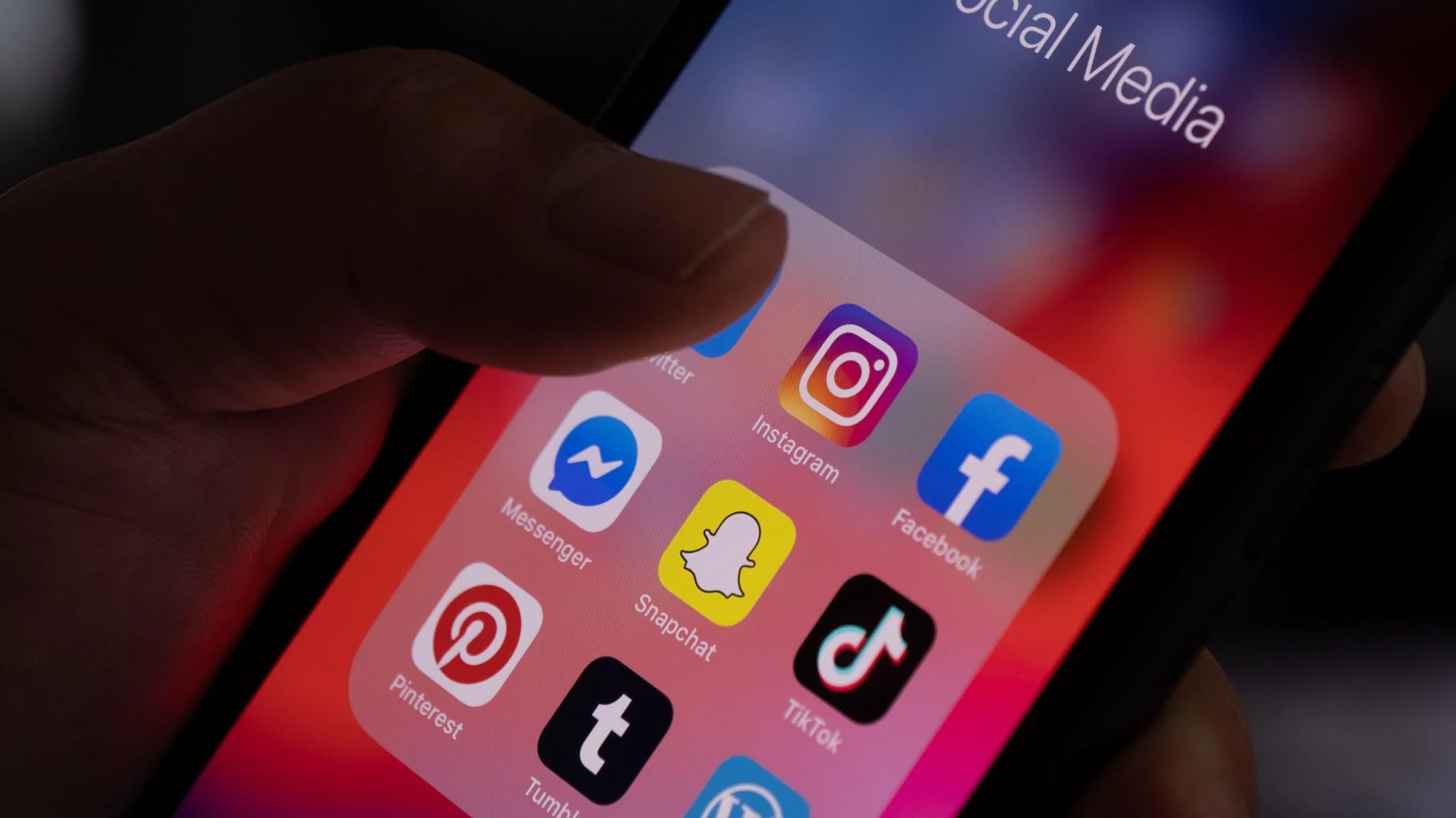
Blue is the reliable friend who always picks you up from the airport on time. It screams stability, trust, and calm. This is why every bank, insurance company, and social media giant (looking at you, Facebook and LinkedIn) uses it. If you want people to trust you with their data or their money, blue is your safest bet.
- Best for: Finance, Tech, Healthcare
- Avoid if: You want to appear impulsive or edible (blue food is weird, folks).
Red: The Adrenaline Junkie
Red is the guy who jumps out of airplanes for fun. It raises your heart rate, creates urgency, and stimulates appetite. That’s why "Clearance" signs and fast-food logos are almost universally red. It grabs you by the eyeballs and yells, "LOOK AT ME NOW."
- Best for: Food, Retail (Sales), Entertainment
- Avoid if: You’re trying to be soothing or luxurious. Red is loud.
Yellow: The Optimist
Yellow is sunshine, happiness, and caution tape. It’s tricky. Used right, it’s friendly and warm (think McDonald’s arches or IKEA). Used incorrectly, it screams "warning" or causes eye strain. It’s the color of affordability and youthfulness.
- Best for: Fast food, DIY, Children’s products
- Avoid if: You want to look high-end or serious. Luxury brands rarely touch yellow unless it’s gold.
Green: The Nature Lover (or Money Hoarder)
Green has a split personality. On one hand, it’s all about health, organic veggies, and saving the planet (Whole Foods). On the other, it’s the color of cold, hard cash. It’s generally the easiest color for the eye to process, making it great for brands that want to feel balanced and restorative.
- Best for: Wellness, Finance, Environmental brands
- Avoid if: You’re selling tech innovation (unless you’re Android).
Black: The Sophisticate
Black is the little black dress of branding. It’s sleek, powerful, and expensive. Luxury brands love black because it signifies exclusivity. It says, "I don't need to shout to be heard."
- Best for: Luxury cars, High fashion, Premium tech
- Avoid if: You want to appear accessible or budget-friendly.
Context is King: Cultural and Industry Considerations
Here’s where things get spicy. Color meanings aren't universal. If you’re expanding your business globally, you need to check your cultural blind spots.
For example, while white represents purity and weddings in Western cultures, it’s the color of mourning in many Eastern cultures. Launching a "celebratory" white-themed campaign in parts of Asia might be the marketing equivalent of a funeral procession. Oops.
Similarly, industry context matters. If you’re a disruptive tech startup, do you follow the herd and go blue? Or do you pull a HubSpot and go orange to stand out? Sometimes the best strategy is to look at what everyone else is doing and do the exact opposite. But proceed with caution—there’s a fine line between "standing out" and "looking like you’re lost."
How to Build Your Palette (Without Looking Like a Clown Explosion)
So, how do you actually pick the colors without needing a degree in art theory? Here’s a cheatsheet for the aesthetically challenged.
1. Identify Your Brand Archetype
Are you the Hero (Nike)? The Jester (Old Spice)? The Caregiver (Johnson & Johnson)? Your personality dictates your palette.
- Serious & Corporate: Blue, Grey, Black
- Exciting & Youthful: Red, Orange, Yellow
- Feminine & Soft: Pastels, Pink, Purple
2. The 60-30-10 Rule
Interior designers use this, and marketers should too.
- 60% Primary Color: The main hue that sets the tone (e.g., Coca-Cola Red).
- 30% Secondary Color: Supports the primary but creates contrast (e.g., White text).
- 10% Accent Color: Used sparingly for Call-to-Action buttons or highlights (e.g., a splash of yellow).
This keeps your brand looking cohesive rather than chaotic.
3. Check Competitor Palettes
Go look at your top three competitors. If they are all Blue/White, you have an opportunity. Can you own a different shade of blue? Or can you pivot to Purple or Green to own a different emotional space in the customer's mind? Differentiation is the name of the game.
4. Test It Everywhere
A color might look amazing on a 27-inch 4K monitor, but look like mud on a cheap smartphone screen or a printed flyer. Test your palette across digital and physical assets. And for the love of all that is holy, check accessibility. Light grey text on a white background is a crime against humanity (and readability).
Don't Just Pick a Color, Pick a Feeling
Choosing a brand palette isn't about picking your CEO's favorite color. It’s a strategic decision that influences how people feel about your business before they even know what you do.
It’s about psychology. It’s about signaling. And mostly, it’s about making sure you don’t accidentally look like a hot dog stand when you’re trying to sell enterprise software.
Take the time to understand the psychology behind the spectrum. Your bottom line (and your graphic design team) will thank you.
Ready to paint the town (the right color)?
If you’re staring at a color wheel and feeling the onset of a migraine, don't worry. We help growing businesses nail their branding every day. Check out our campaign planning services to see how we can turn your brand identity into a lead-generating machine.

FAQs: The Psychology of Color in Marketing
1. How do different colors influence buying decisions?
Colors tap into emotional triggers—blue fosters trust, red raises excitement, green cues “healthy” or “wealthy,” while black exudes luxury. Picking the right color can nudge buyers to feel more confident about your brand and more eager to buy.
2. Should my brand palette be different for international markets?
Absolutely. Color meanings shift by culture; white may mean weddings in Dallas, but it signals mourning in Shanghai. Always check local color perceptions before rolling out your palette globally.
3. Can I use more than three colors in my brand palette?
You can, but proceed with caution. Stick to the 60-30-10 rule and avoid looking like you raided a crayon box. Use additional hues for accents or seasonal campaigns rather than daily branding.
4. How do I test if my brand colors actually work?
Preview your colors on screens, print, and promotional swag. Bonus points for checking accessibility—ensure enough contrast, especially for text (no light gray on white, please).
5. Does color really impact my brand’s bottom line?
In a word: yes. Studies show color can be the deciding factor for up to 90% of snap judgments on products. Nail your color strategy and your branding (and bank account) will thank you.